
SaaS & EcommerceSeptember 16, 202612 min read

Best SaaS Tools for Ecommerce Companies to Scale in 2026

Scaling an online store requires a high-performing tech stack. Here are the essential SaaS tools top ecommerce brands rely on for marketing, fulfillment, support, and analytics.

Iksen Team

Iksen Team

Ecommerce Growth & Technology

Share:
Best SaaS Tools for Ecommerce Companies to Scale in 2026

Why Ecommerce Companies Need Modern SaaS Tools

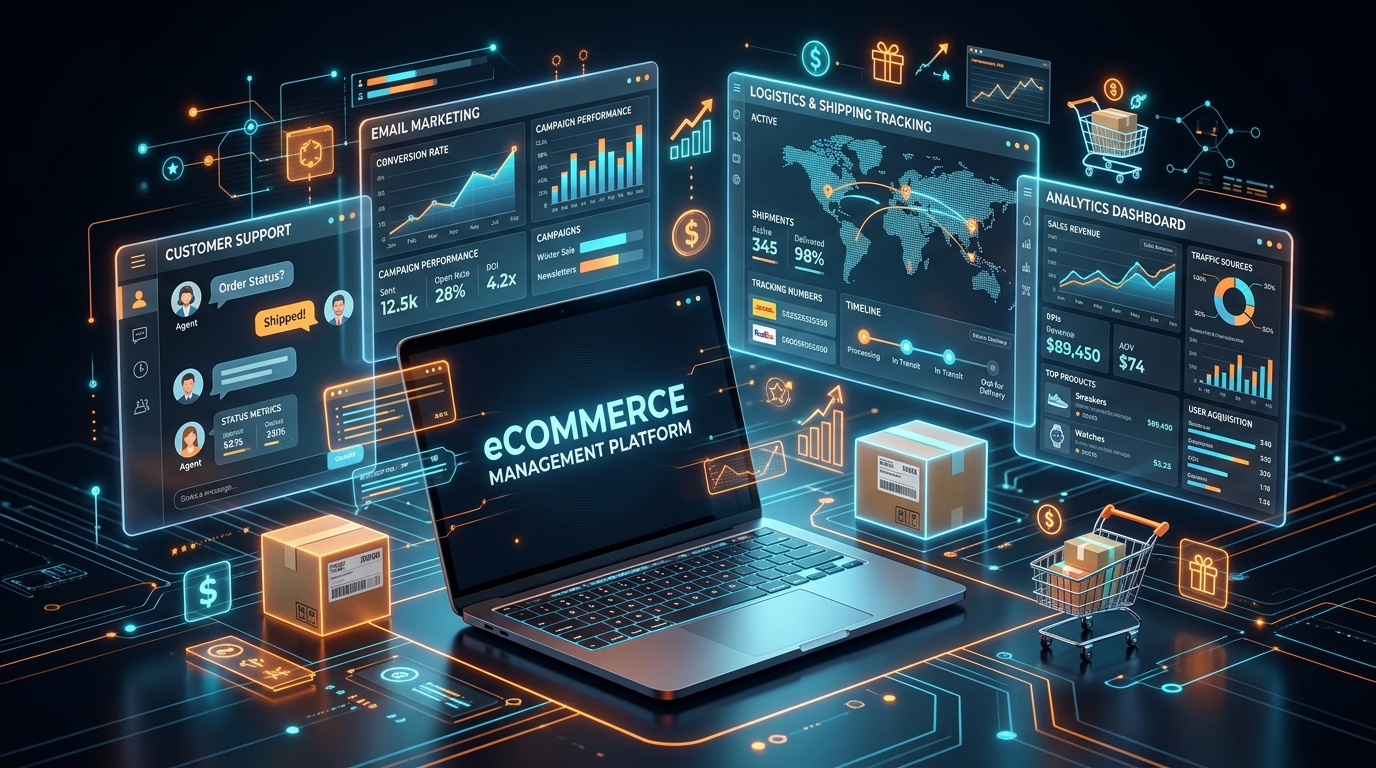
Running an ecommerce brand involves much more than putting products on a webpage. You must coordinate marketing campaigns, order fulfilment, inventory syncing, customer support tickets, and performance analytics.

Trying to run this manually or using fragmented spreadsheets creates bottlenecks that throttle customer satisfaction and brand growth.

Cloud-based SaaS (Software as a Service) platforms allow online retailers to access enterprise-grade infrastructure on demand without managing servers. The goal is not to buy dozens of disconnected tools, but to curate an integrated stack that solves real business problems.

1. Shopify: The Foundation for Your Online Store

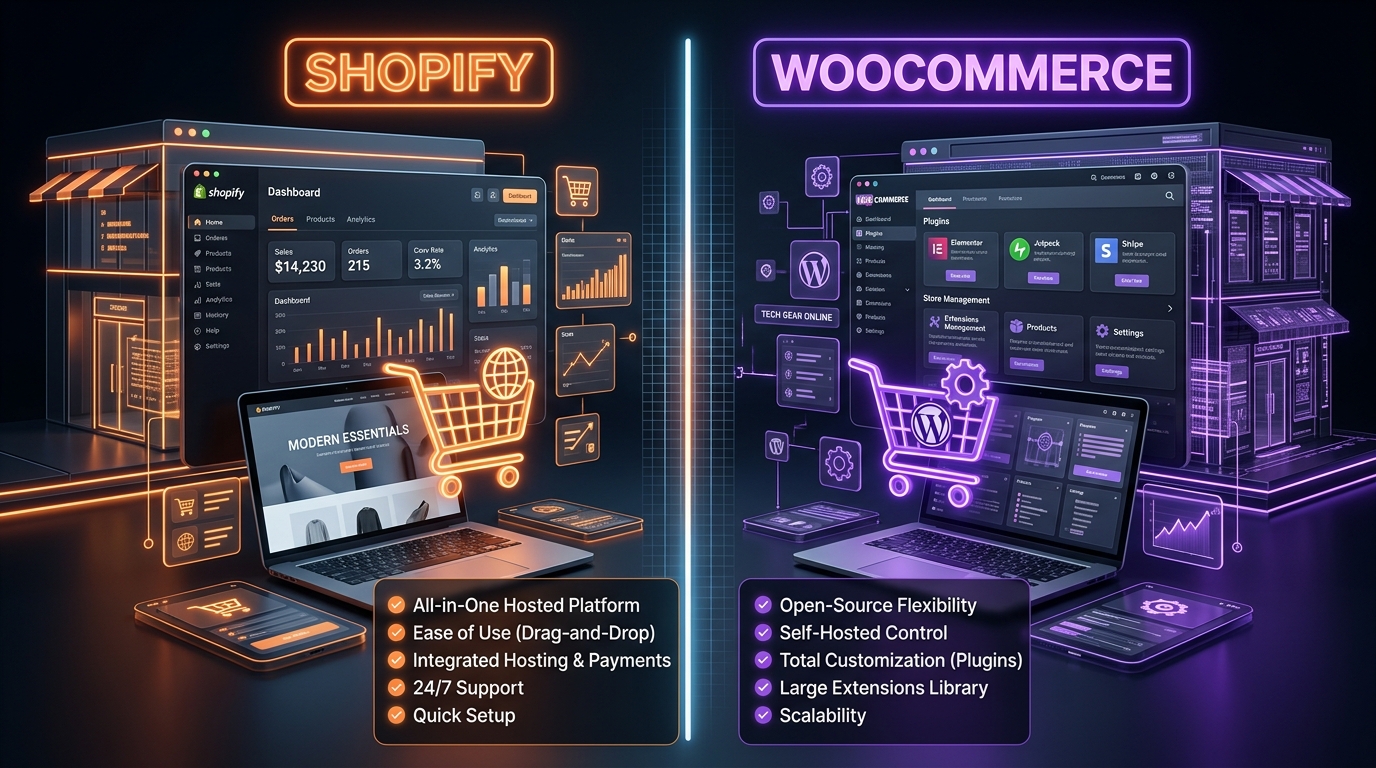
Shopify powers millions of ecommerce stores globally, providing product management, secure checkouts, payment processing, inventory tracking, and discount engine in one reliable ecosystem.

Why it's essential: Its rock-solid uptime, Level 1 PCI compliance, and vast app ecosystem mean you focus on sales and brand building rather than server crashes during flash sales.

2. Klaviyo: Email & SMS Marketing Automation

Customer acquisition costs are rising. Retention and lifetime value (LTV) make or break modern ecommerce businesses. Klaviyo is the premier customer marketing platform engineered specifically for ecommerce.

Key capabilities: Automated abandoned cart flows, post-purchase replenishment reminders, predictive churn analytics, and granular segmentation based on purchase recency, frequency, and order value.

3. Gorgias: Unified Ecommerce Customer Support

Customer questions arrive across multiple channels: email, live chat, Instagram DMs, Facebook Messenger, and SMS. Gorgias aggregates all interactions into a single collaborative inbox.

Deep Shopify integration allows support agents to view order details, issue refunds, update shipping addresses, and duplicate orders without leaving the conversation screen.

4. ShipStation: Shipping, Label Printing & Tracking

Fulfillment efficiency directly impacts profit margins. ShipStation connects your online storefront with leading global and domestic carriers (FedEx, UPS, DHL, USPS, Royal Mail).

Features include batch label printing, discounted carrier shipping rates, automated tracking notifications, and returns management from a unified portal.

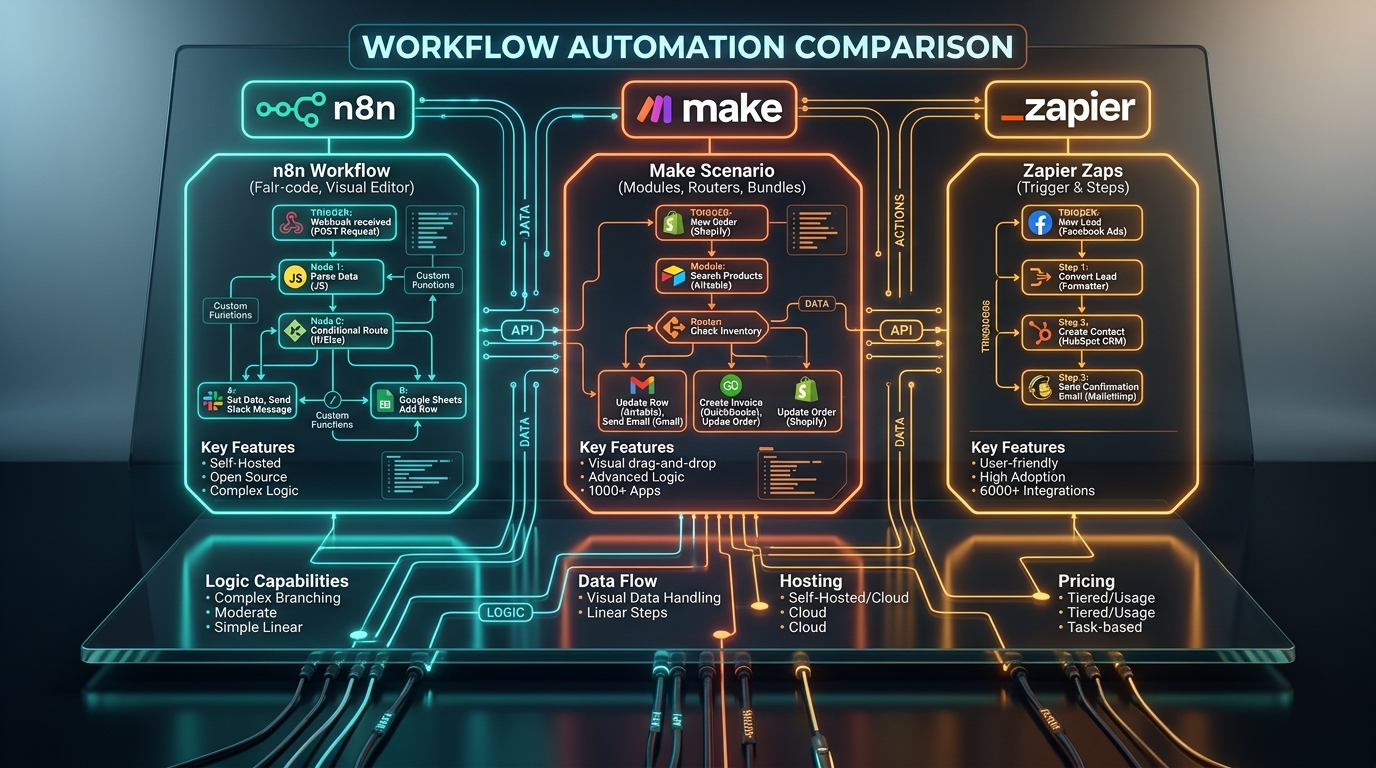
5. Zapier: Bridging Disconnected Apps

No matter how good individual SaaS tools are, data silos inevitably emerge. Zapier connects your store with Google Sheets, Slack, QuickBooks, Airtable, and custom webhooks.

Example: Send high-priority VIP order alerts to Slack and log wholesale orders into your accounting ledger automatically.

6. Hotjar: Visualizing Visitor Experience & Heatmaps

Standard analytics tools tell you what happened; Hotjar shows you why. Through dynamic heatmaps and anonymous session recordings, you can see where shoppers click, where they get confused, and why they abandon product pages.

7. Notion: Centralized Operations & Team Knowledge Base

As your brand grows, company knowledge, supplier contact information, marketing calendars, and standard operating procedures (SOPs) must be organized. Notion acts as an all-in-one collaborative workspace.

8. Google Analytics 4: Measuring Growth & Attribution

GA4 provides crucial insights into marketing attribution, user journeys, bounce rates, and organic search keywords driving sales. Accurate ecommerce tracking is mandatory for optimizing ad spend across Google, Meta, and TikTok.

Quick Comparison of Core Ecommerce SaaS Tools

ToolCategoryKey Value Proposition
ShopifyStorefront & CommerceAll-in-one hosted ecommerce management
KlaviyoEmail & SMS MarketingBehavior-based automated retention flows
GorgiasCustomer Service HelpdeskUnified multichannel support with Shopify sync
ShipStationShipping & FulfillmentBatch label printing and multi-carrier integration
ZapierWorkflow AutomationConnects apps and eliminates manual data entry
HotjarUX & Conversion OptimizationHeatmaps and session recordings of shopper behavior
NotionKnowledge & OperationsTeam SOPs, product calendars, and documentation
Google Analytics 4Traffic & AttributionComprehensive tracking of marketing ROI

How to Build a High-ROI Ecommerce Tech Stack

Avoid software bloat. Start with core pillars (Storefront, Analytics, Email), add customer support and automated fulfillment as order volumes scale, and integrate custom automated workflows to keep operations lean.

At Iksen, we help ecommerce companies architect, integrate, and customize robust digital storefronts and automation pipelines.

Partner With Iksen

Looking to Implement Automation or Launch a Custom Storefront?

Our team of experienced AI architects and full-stack developers can help you design and deploy scalable, reliable digital solutions.

Schedule Free Strategy Call

Frequently Asked Questions

Start with three essentials: an ecommerce platform (Shopify or WooCommerce), website analytics (Google Analytics 4), and an email marketing platform (Klaviyo or Mailchimp).
More From Iksen

Related Articles

View All